
Overview
Artificial intelligence systems often depend on proprietary models, training data, software architectures, algorithms, and workflows that carry significant commercial value. The development and use of machine learning across products, services, and internal operations leads to questions across all areas of intellectual property. Issues arise as to patent eligibility, inventorship and ownership of AI-assisted inventions, and the protection of algorithms, models, datasets, and other know-how as trade secrets. The treatment of AI-generated or AI-assisted content, designs, and software is evolving under copyright and trademark law.
Companies developing or using AI technologies must address these issues while navigating legal and regulatory frameworks that cannot keep pace with the growth of technology. Decisions about how to structure patent filings, document human contribution to AI-assisted innovation, maintain trade secret protections, manage data rights, and assess rights in AI-generated outputs can directly affect a company’s position. In a fast-moving space like AI, intellectual property strategy must also align with broader business objectives, including product development, investment, licensing and enforcement.
Leason Ellis advises organizations developing, deploying, and investing in artificial intelligence technologies on securing, managing, and enforcing their intellectual property assets. We assist clients with patent strategies for AI-enabled technologies, including issues relating to patent eligibility, inventorship, and the identification of innovations worth protecting; counsel companies on maintaining trade secret protection for proprietary algorithms, models, datasets, and related know-how; and address copyright and trademark issues affecting brands, content, licensing, software, and digital tools. We also help clients evaluate how AI use may affect ownership, confidentiality, clearance, enforcement, and commercialization strategies in this rapidly evolving area.
Professionals
Susie Cheng
Partner
Ralph Crispino
Partner
Lauren Emerson
Partner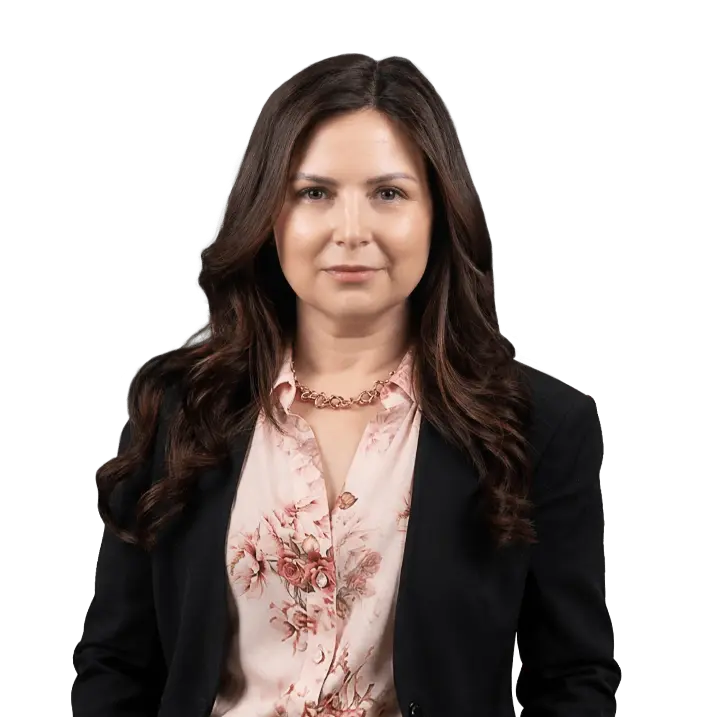
Joel Felber*
Partner
Henry Gabathuler
Partner
Jordan Garner
Partner
Melvin Garner
Partner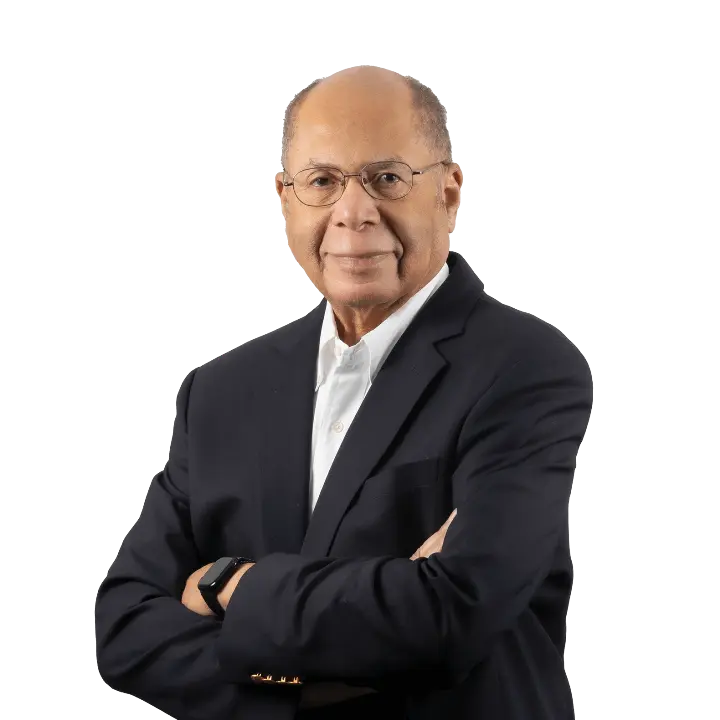
Robert Isackson
Partner
David Leason
Partner
Yuval Marcus
Managing Partner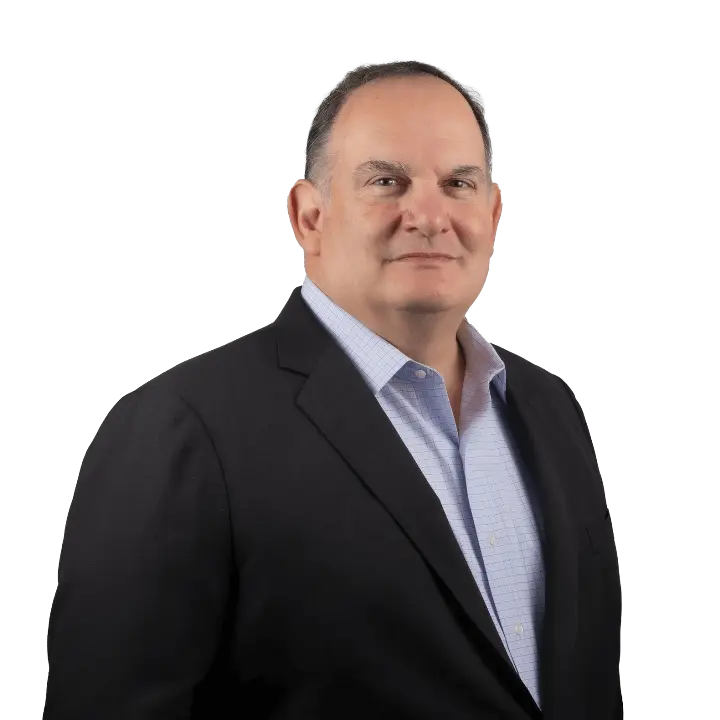
Cameron Reuber
Partner
Karin Segall
Partner
Peter Sloane
Partner
Dexter Chang
Counsel
Stefanie Garibyan
Counsel
Tatsuya Adachi
Associate
Vera Glonina
Associate
Howard Grossman
Associate
Joshua Montgomery
Associate
Anthony Natoli
Associate
Emily Rice
Associate
Audrey Trace
Associate